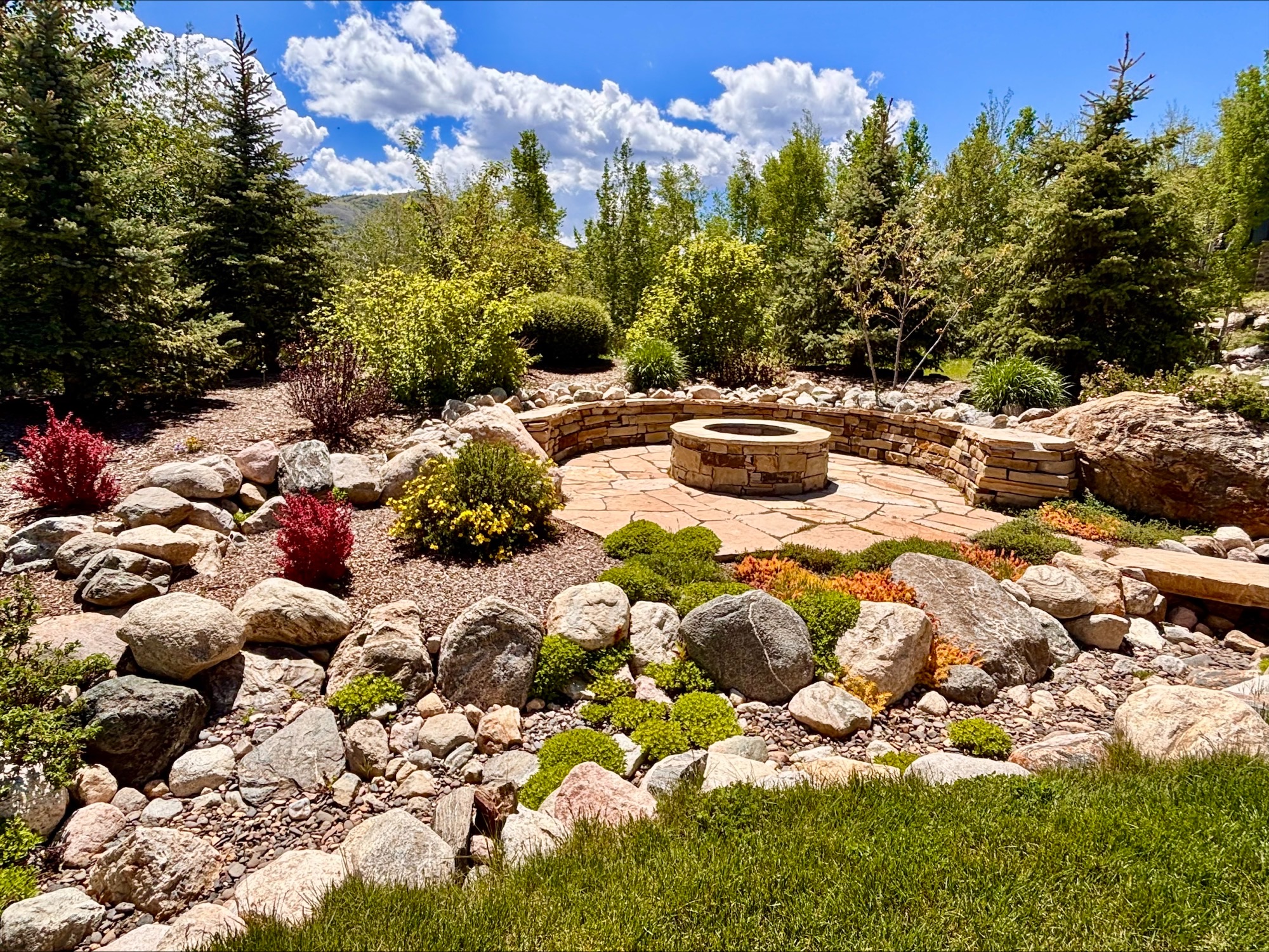
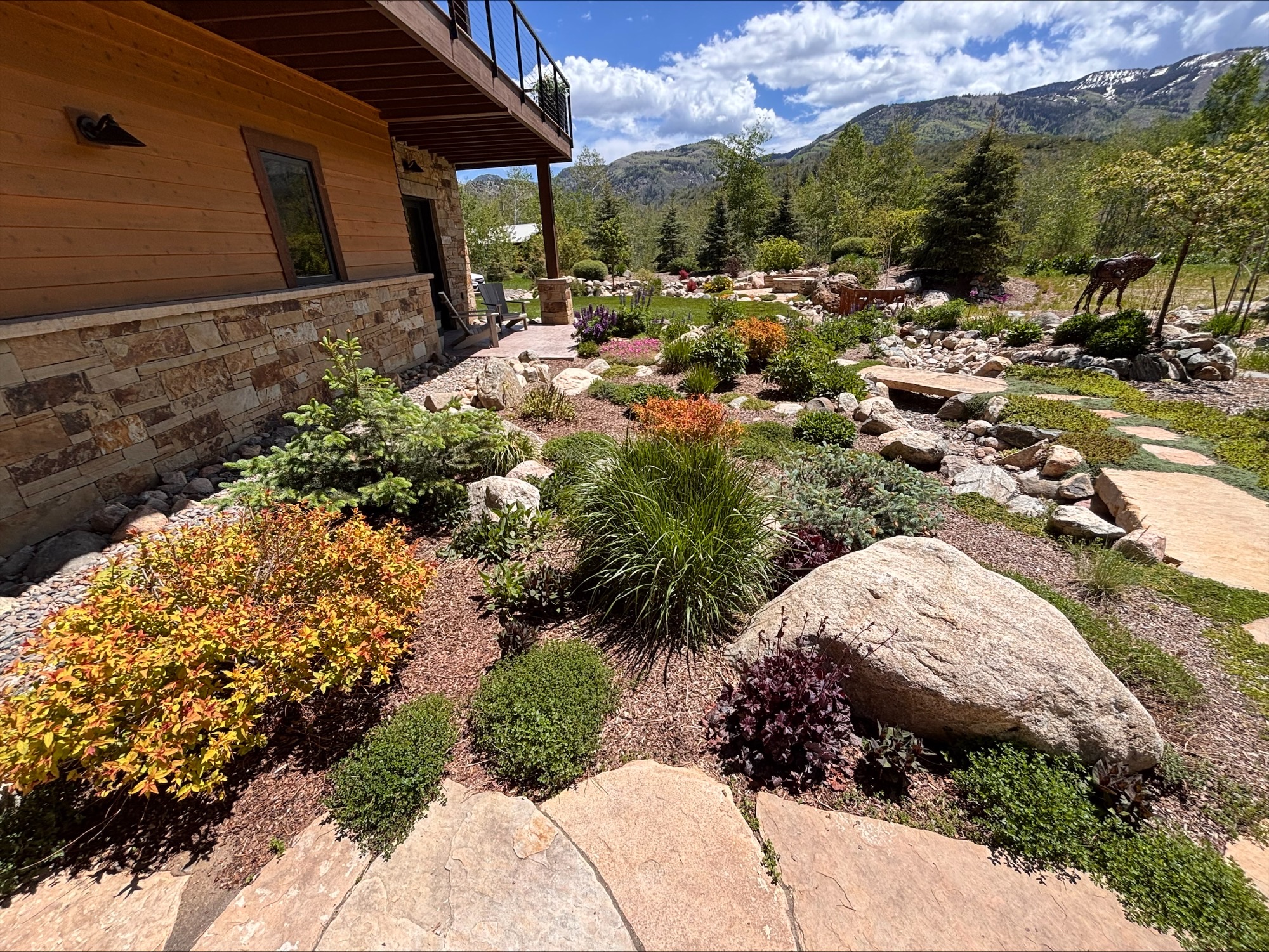
As we move through late summer in the Yampa Valley, it's common for homeowners to look out at their gardens and wonder why some of their favorite perennials suddenly look tired, floppy, or past their prime. The good news? In many cases, this is completely normal.
Many perennials put on an incredible show in late spring and early summer, but once they've finished blooming, their energy shifts from producing flowers to strengthening their root systems and preparing for next year's growth. As a result, spent blooms, faded foliage, and leggy stems are all part of their natural life cycle.
The good news is that a little mid-season maintenance can make a big difference in keeping your landscape looking beautiful for the remainder of the growing season.
Deadheading Encourages More Blooms
One of the simplest ways to extend flowering is by deadheading, or removing spent blooms before the plant begins producing seed.
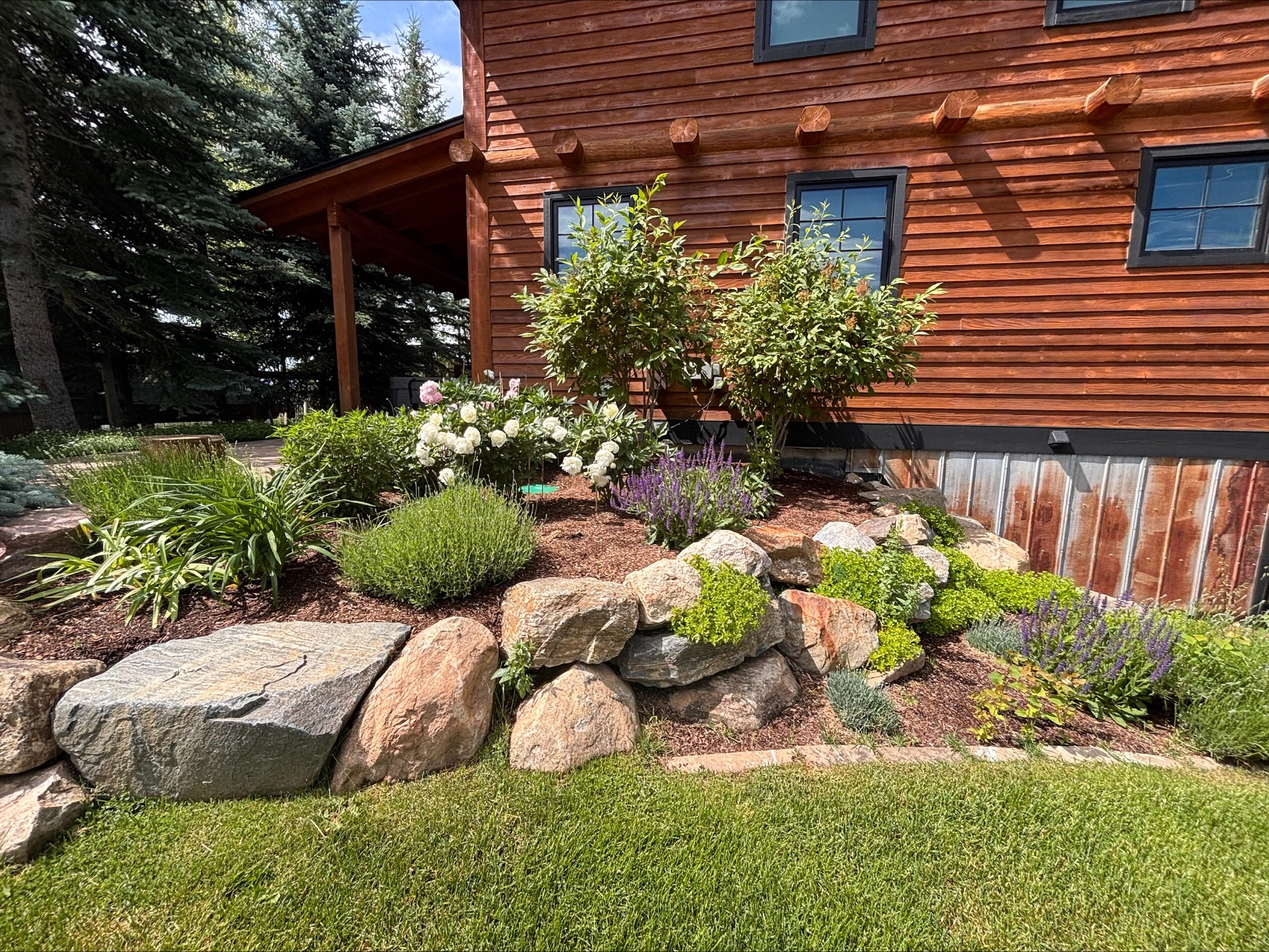
Many popular garden perennials will reward you with additional flowers when old blooms are removed, including:
- Salvia
- Catmint
- Blanket Flower
- Coreopsis
- Shasta Daisy
Deadheading redirects the plant's energy back into producing new flowers instead of seeds, helping your garden stay colorful longer.
Some Perennials Benefit from a Mid-Summer Cutback
Not every perennial will bloom again, but many respond beautifully to being cut back after flowering.
For example, Lady's Mantle often becomes floppy and tired-looking once its chartreuse flowers fade. Cutting the plant back to the fresh growth near the center encourages healthy new foliage and creates a much tidier appearance.
Other perennials that often benefit from a mid-season trim include:
- Catmint
- Hardy Geranium
- Creeping Veronica
- Salvia (after its first bloom)
- Yarrow (if it becomes leggy)
A careful cutback can refresh the plant and, in many cases, encourage a lighter second bloom later in the season.
Don't Worry if Every Plant Doesn't Bloom Again
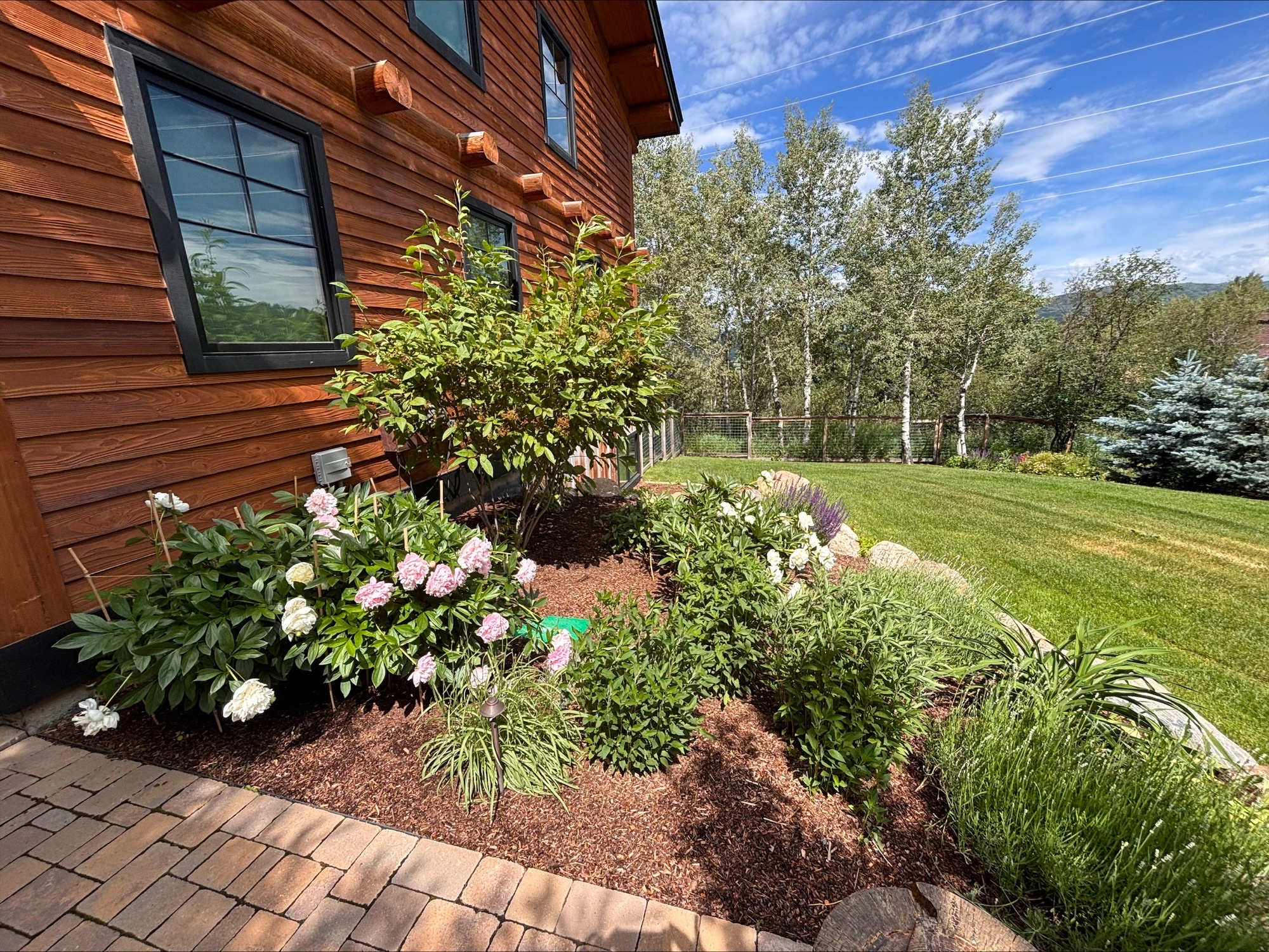
Some perennials naturally bloom only once each season. Plants like Peonies, Siberian Iris, and many varieties of Allium won't produce another flush of flowers this year, no matter how much they're trimmed.
For these plants, removing spent flower stalks and leaving the healthy foliage in place allows them to continue storing energy for next year's display.
Continue Watering and Monitoring Irrigation
Even after flowering has finished, your plants are still actively growing below ground. Healthy roots today mean healthier, fuller plants next spring.
Late summer is also an excellent time to check your irrigation system. As temperatures fluctuate, sprinkler heads can shift, drip emitters may clog, and some areas may not be receiving enough water. Catching these issues now can prevent unnecessary stress on your landscape.
A Little Maintenance Goes a Long Way
A few hours of garden maintenance in late summer can dramatically improve the appearance and health of your landscape. Deadheading flowers, trimming back tired perennials, removing weeds, and ensuring proper irrigation all help your gardens remain attractive well into fall.
If you're unsure which plants should be cut back and which should be left alone, we're happy to help.
At Gecko Landscaping, our team understands the unique growing conditions here in Steamboat Springs and can keep your landscape looking its best throughout the season.
Need help refreshing your garden before fall?
Contact us to schedule a garden maintenance visit and let us take care of the details, so you can enjoy your outdoor space even longer!