
As the days grow shorter and the temperatures begin to drop, October is a great time to start thinking about preparing your garden for winter. Here in the Steamboat Springs and Yampa Valley area, our growing season comes to an end quickly, and a little fall maintenance can go a long way toward helping your landscape fill in healthy and beautiful next spring.
One of the most important parts of fall garden maintenance is knowing what to cut back, what to clean up, and what is best left standing through the winter.
When Should You Start Cutting Back Your Garden?
Fall cutbacks typically begin once perennial plants have finished flowering and their foliage starts to yellow, brown, or die back naturally. In our mountain climate, this often means late September through October, depending on the plant and the weather.
Rather than cutting everything back at once, it helps to evaluate your garden as the season winds down. Some plants benefit from being cut back in fall, while others are better left standing until spring.
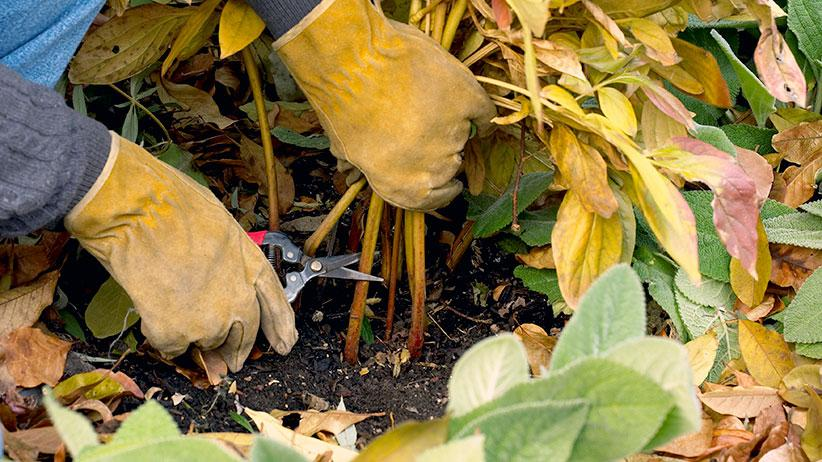
What Should You Focus on Cutting Back?
1. Perennials that have finished their growing season
Many herbaceous perennials naturally die back as temperatures cool. Once their foliage has faded, they can often be cut back to a few inches above the ground. Removing old growth helps tidy the garden and makes room for fresh growth next spring.
However, not every perennial needs to be cut back in fall. Plants with attractive seed heads or stems that provide winter interest may be worth leaving until spring.
2. Diseased or damaged plant material
Fall is a good time to inspect your garden for signs of disease, insect damage, or unhealthy foliage. Removing affected plant material can help reduce the amount of infected debris left in the garden over winter.
Be sure to dispose of diseased material appropriately rather than adding it to a compost pile.
3. Plants that have become overgrown or messy
Some perennials can spread, flop over, or leave behind a tangle of stems by the end of the season. Selective cutbacks help keep garden beds looking tidy and make spring cleanup more manageable.
Keep in mind that woody shrubs are different from herbaceous perennials. Many shrubs should not receive a heavy fall pruning, as this can remove next year's flower buds or encourage vulnerable new growth.
4. Spent annuals and seasonal flowers
Once annual flowers have finished blooming or have been damaged by frost, they can generally be removed from planters and garden beds. Clearing out finished annuals helps prepare those spaces for winter protection and next year's planting.
What Should You Leave Standing?
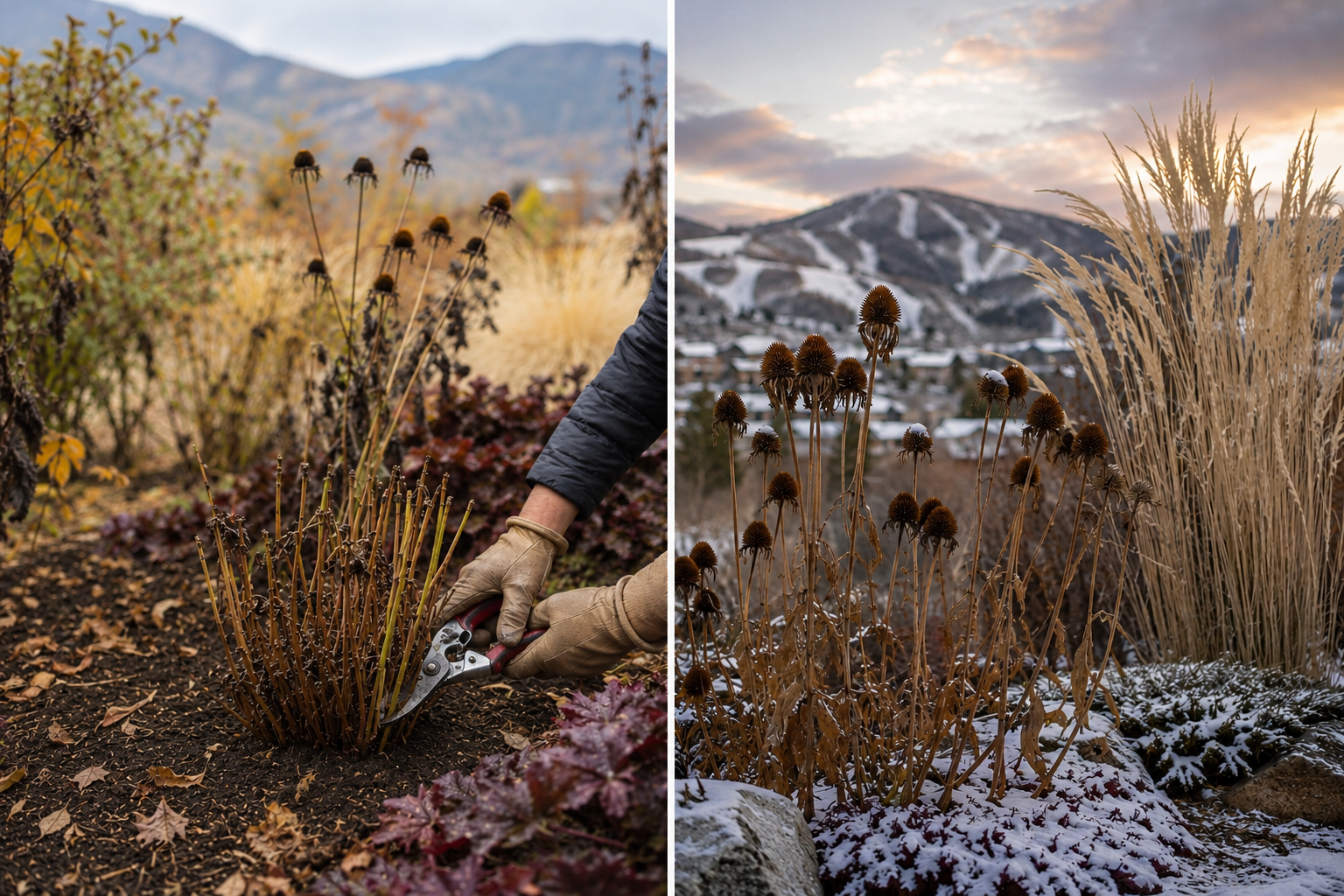
Ornamental grasses, attractive seed heads, and some perennial stems can add texture and interest to your winter landscape. They may also provide food and shelter for birds and beneficial insects.
Some perennials, including certain varieties of coneflower and rudbeckia, can be left standing for winter interest and wildlife. As well as plants with crowns or foliage that benefit from winter protection may be better left intact until spring.
When deciding what to cut back, consider the plant's health, its winter hardiness, its appearance, and the benefits it provides to wildlife.
Why Are Fall Garden Cutbacks Important?
Fall garden maintenance is about more than just appearance. Thoughtful cutbacks and cleanup can offer several benefits:
- Reducing disease concerns: Removing infected foliage and plant debris can help limit sources of certain plant diseases.
- Preparing for healthy spring growth: Removing old growth where appropriate gives new shoots room to emerge and makes spring maintenance easier.
- Keeping garden beds manageable: Addressing spent plants and tangled growth now can prevent a much larger cleanup project next spring.
- Protecting your landscape: Knowing which plants to cut back and which to leave standing helps avoid unnecessary damage and preserves natural winter protection where needed.
Don't Forget the Final Fall Details
As you work through your garden beds, take a moment to look at the landscape as a whole. Fall is also a good time to address lingering weeds, remove fallen debris from sensitive areas, and assess any plants that struggled during the growing season.
Depending on conditions, newly planted perennials and other less-established plants may benefit from additional winter protection. It is also important to make sure irrigation systems are properly winterized before freezing temperatures arrive.
A thoughtful fall cleanup helps set your landscape up for a smoother transition into winter and a fresh start next spring.
Let Gecko Help Prepare Your Garden for Winter
Every landscape is different, and knowing what to cut back, and what to leave alone can make a real difference in how your garden looks and performs the following year.
At Gecko Landscaping, we help homeowners throughout the Yampa Valley prepare their gardens for the changing seasons. Our fall garden maintenance services focus on the needs of your landscape, helping keep your garden beds healthy, tidy, and ready for winter.
As the season winds down, now is a great time to assess your garden and plan for the colder months ahead.